Rise of the Kings
- 4.3
- Rating
- 10.00M
- Installs
- Free
- Price

 Analysis by App-foxy
I spent time with Rise of the Kings as a mobile strategy game, and my first impression was that it wants to be played as a long-running kingdom project rather than a quick match. You guide elves and men, build up a realm, train forces, research improvements, and make decisions that matter more over time than in a single battle. That makes it a better fit for players who enjoy checking progress regularly and planning several steps ahead.
It is free to play, developed by ONEMT, and sits in the strategy category with an age rating of Everyone 10+. The game has been available since July 7, 2016, and its current version is 1.9.88 for devices running Android 5.0 or later. Its 4.3 average from around 191 thousand ratings and more than 10 million installs suggest that the format has found a large, established audience.
What matters more to me than those figures is the rhythm. This is not the kind of strategy game I would open only when I have a spare minute and expect to finish a complete campaign. It rewards a repeatable routine: collect what is ready, start the next useful upgrade, check military preparation, and then decide whether the next action should improve immediate strength or future efficiency. If that sounds appealing, the game has plenty to offer. If you want a self-contained tactical challenge with a clear ending, it may feel too persistent.
You May Also Like

 Pandora - Music & Podcasts
Pandora’s Music Is Easy to Start, but Harder to Recover
Pandora’s strength is its low-effort path from a seed to a station. Its weak spot is how much confidence it asks you to place in connection, setup, and quiet recovery.

 AccuWeather: Weather Radar
AccuWeather Review: A Quick, Clear Forecast for Everyday Decisions
For everyday plans, the best forecast is the one you can understand quickly. AccuWeather makes rain timing, radar, and local conditions easy to act on, with a few trade-offs.

 Hill Climb Racing
Why Hill Climb Racing Still Turns Crashes Into One More Run
A tiny car, a bumpy hill and one more upgrade: Hill Climb Racing keeps resurfacing because its simple chaos makes every near-miss feel personal.

 AliExpress - Shopping App
AliExpress Makes Global Shopping Feel Personal, but Shoppers Bear the Risk
AliExpress turns a global marketplace into a pocket-sized discovery engine. Its reach is useful, its shopping loop compelling, and its trade-offs easy to miss.

 Lords Mobile: Kingdom Wars
Lords Mobile Is a Kingdom-Building Routine, Not a Quick Match
A case-by-case verdict on the building, battles, device demands, and social commitments that make Lords Mobile rewarding for some players and exhausting for others.

 PDF Scanner app - TapScanner
TapScanner Makes Paperwork Easier to Capture, Check, and Share
TapScanner makes scanning with a phone feel less like a rescue operation and more like a dependable step in getting work done. Its capture tools are useful, though not flawless.
More From Our News Desk
View All News


How the everyday kingdom routine works
I find a simple routine makes this kind of ongoing kingdom management easier to fit around a busy day: I check what has finished, choose one useful next step, and leave the rest for a later visit. That keeps short sessions purposeful without turning every break into a full review of the realm. From there, the next question is how comfortably the game’s interface and presentation support different ways of playing.
Starting with a manageable loop
My most useful basic routine was to avoid tapping through every available action without a plan. I first looked at what was finishing soon, then checked which resource or building was blocking the next meaningful improvement. That small pause prevented me from spending materials on upgrades that looked attractive but did not help my current goal.
For a new player, the early game can feel generous because progress comes quickly and the interface keeps presenting new tasks. I recommend treating those early rewards as a chance to learn the order of operations, not as a reason to upgrade everything immediately. A stronger building is only valuable when it supports what you are actually trying to do next, whether that is expanding production, improving research, or preparing an army.
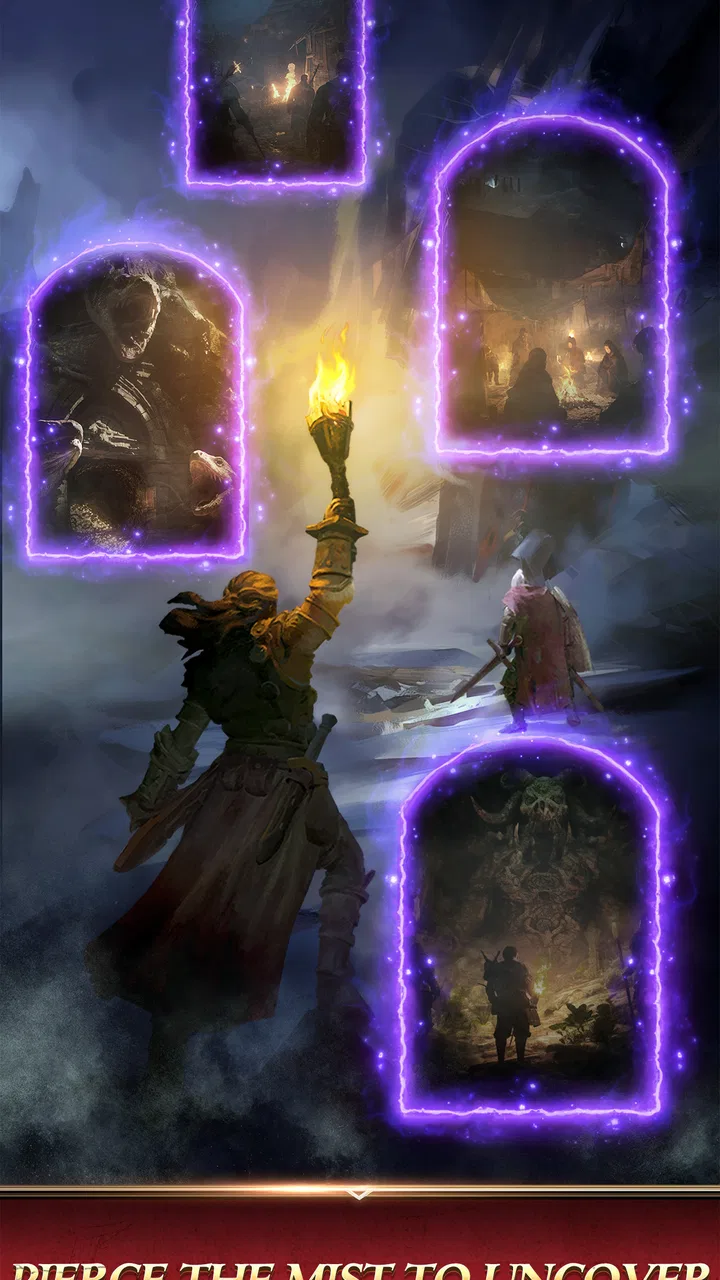
The game’s fantasy setting gives the routine some personality. The presence of elves and men makes the kingdom feel more distinctive than a plain medieval spreadsheet, while the larger objective of claiming the throne gives the long-term work a clear direction. Still, the moment-to-moment experience is built around management. The battles are important, but the preparation behind them often decides whether an attack feels sensible.
Planning around waiting time
One habit made a noticeable difference: I matched longer upgrades with periods when I knew I would be away from the phone. Before putting the device down for the night, I started the task with the greatest useful duration rather than burning every available speed-up on a short improvement. When I returned, I had something meaningful to collect and a new decision to make.
This approach also helps with ordinary daily interruptions. If I had only a few minutes, I focused on collecting completed work, checking queues, and setting up the next action. I did not try to solve every kingdom problem in one visit. That made the game feel less demanding and reduced the temptation to make rushed choices just because a timer was visible.
A realistic example is a weekday commute or lunch break. I would open the game, review what had completed, use the available materials on the most relevant bottleneck, and begin a task that could run while I was busy. The useful outcome was not a dramatic victory during that short session. It was returning later to a kingdom that had continued moving forward instead of sitting idle.
Keeping military decisions connected to the economy
It is easy to look at troop numbers and assume that a larger force automatically solves every problem. In practice, I found it more useful to connect military preparation to the condition of the kingdom. Training units consumes resources and time, so an army built without regard for production can leave the rest of the settlement stalled.
I preferred to set a clear purpose before committing to a military push. If the goal was defensive readiness, I did not need to interrupt every economic improvement. If I was preparing for a more ambitious attack, I first made sure that the kingdom could absorb the cost. This trade-off is one of the game’s better strategic lessons: strength is not just what appears on the army screen, but what the whole settlement can sustain.
That is also where the game differs from a traditional turn-based strategy title. In a board-game-style alternative, I can usually calculate a position and reach a conclusion within a fixed session. Here, the decision continues through timers, resource income, and future preparation. I enjoy that continuity, but players who prefer complete control over every turn may find the pace less satisfying.
Checking the interface instead of guessing
When I was unsure what to improve, I relied on the information shown by the game rather than guessing from the most impressive-looking option. Requirements, available actions, and unfinished work usually gave me enough context to identify the next obstacle. That sounds simple, but it prevents a common mistake: investing in a powerful feature while ignoring the smaller prerequisite that is actually holding back progress.
I also learned to separate “available now” from “worth doing now.” The game often gives several possible actions at once. Completing all of them is not automatically efficient. I got better results when I selected one short-term objective, such as opening the next useful improvement, and allowed other attractive tasks to wait.
Settings and habits that reduce friction
I would begin by checking the game’s notification and audio options rather than accepting every default. Strategy games with ongoing progress can become irritating when alerts arrive too often, especially if the player already has a reliable time to check in. Keeping only the reminders that support my routine made the experience calmer and helped me pay attention to decisions instead of reacting to every prompt.
Audio is worth adjusting for the same reason. The fantasy atmosphere benefits from sound, but I often preferred a lower volume when playing in public or while listening to something else. The game remains understandable when treated as a visual management experience, so I did not feel forced to keep effects loud throughout every session.
I would also review the device’s general battery and background behavior before making the game part of a frequent routine. I am not claiming a particular power profile for this title; the practical point is simply that any game checked repeatedly can become inconvenient if the phone is already heavily used. A quick settings review helps decide whether notifications, sound, and session length fit the way you actually use your device.
For players using an older phone, the minimum operating system is Android 5.0 or newer, but compatibility alone does not guarantee that every device will feel equally comfortable. I would keep enough free storage for the app and its updates, close unrelated heavy apps if the game feels sluggish, and avoid judging the experience from a single rushed launch. A strategy game is much easier to evaluate after several planned sessions.
Using a repeatable order of checks
My preferred order was consistent: completed work first, current bottleneck second, army status third, and long-term objective last. That sequence keeps the opening moments practical. I knew what had finished, what could be started, and whether military activity was likely to interfere with the next economic step.
Experienced players may develop a different order, but the important idea is repeatability. A familiar checklist reduces the number of decisions made from memory. It also makes mistakes easier to identify. If progress slows, I can ask whether I neglected resources, started the wrong upgrade, or trained beyond what the economy could support.
One useful refinement was to group actions by purpose rather than by screen. Instead of opening every menu simply because it was available, I handled all tasks related to one goal together. For example, when preparing for military activity, I reviewed the relevant improvements, resource needs, and training commitments before confirming anything. This reduced accidental spending and made the kingdom feel more deliberate.
Faster patterns for short sessions
When I had only a couple of minutes, I used a “minimum useful visit.” I collected finished rewards, started the next queue if the game allowed it, and left once the kingdom was working toward a clear objective. I did not browse every option or chase a minor improvement. This pattern is especially helpful for people who like persistent strategy games but do not want them to consume every break.
For a longer session, I used the opposite approach. I reviewed the broader state of the kingdom, compared several possible improvements, and considered whether my current army plans matched my production. The longer visit was not just a faster version of the short one. It was the time to correct the plan, while short visits were mainly about keeping the plan moving.
Another practical pattern is to reserve premium-looking resources until the decision is clear. The game includes in-app purchases ranging from $0.99 to $99.99 per item, so I would not treat every shortcut or convenience as something that must be bought. I found the experience more satisfying when I first understood which delays were genuinely blocking progress and which were simply normal parts of the game’s pacing.
This is an important distinction for families and younger players. The age rating is Everyone 10+, but the presence of purchases means I would still check device-level purchase controls before handing the game to someone else. The issue is not that spending is unavoidable; it is that a free game with optional paid items deserves a little household planning.
Where patience beats speed
I often gained more by waiting for a sensible upgrade than by forcing a small immediate advantage. That may sound conservative, but the kingdom’s systems are connected. A quick improvement can feel rewarding while leaving the larger bottleneck untouched. When I resisted that impulse, later sessions became easier because the foundation was stronger.
At the same time, patience should not become passivity. Leaving queues empty or failing to collect completed work wastes the game’s most reliable source of progress. My rule was to spend time or resources when the action supported the next objective, not merely because something was available.
This balance is one of the more interesting parts of Rise of the Kings. It is not purely about waiting, and it is not purely about constant activity. The best rhythm alternates between deliberate planning and efficient maintenance.
Understanding the limits of the strategy
The biggest limitation is that the game’s appeal depends on accepting ongoing progression. If you dislike timers, repeated resource collection, or the feeling that your kingdom expects regular attention, the central structure will probably wear you down. A conventional offline strategy game may be a better choice when you want a complete challenge without a persistent schedule.
There is also a difference between strategic depth and strategic variety. Rise of the Kings gives me many decisions about development, preparation, and timing, but those decisions are tied to the same kingdom-management loop. Players looking for a wide collection of radically different scenarios may prefer a tactics game, a city builder with a sandbox focus, or a competitive title built around short matches.
Another trade-off is the social and long-term nature implied by the game’s throne-focused premise. I enjoyed thinking about the kingdom as something that grows over time, but this can make early mistakes feel more significant than they would in a disposable match. New players should expect a learning period. The safest approach is to view the first stretch as practice in recognizing bottlenecks, not as a test that must be played perfectly.
Who should install it, and who should skip it
I would recommend it to someone who likes fantasy strategy, gradual kingdom development, and the satisfaction of returning to a project that has advanced while they were away. It is particularly suitable for players who enjoy making small decisions several times a day and watching those decisions combine into a stronger realm.
I would be more cautious about recommending it to someone who wants fast action, a clear campaign endpoint, or battles that are the whole experience. The game’s military theme is prominent, but the work surrounding combat is just as important. If you would rather control every unit directly in a compact tactical encounter, this may feel too management-heavy.
It is also not my first choice for a player who wants to spend nothing and avoid all purchase prompts. The game is free to download, but optional items can cost from $0.99 up to $99.99 each. I would approach it with a firm personal budget, or with purchases disabled, and judge the game by whether the free progression remains enjoyable rather than by how quickly paid convenience can accelerate it.
My final view after settling into the routine
Rise of the Kings works best when I treat it as a continuing strategy habit instead of a collection of isolated battles. Its strongest quality is the connection between everyday maintenance and larger ambition: each upgrade, training decision, and resource choice contributes to the feeling that the kingdom is moving toward something.
The game has a broad audience, with more than 10 million installs, and I can understand why. The fantasy setting gives the management loop a clear identity, while the accessible free entry point makes it easy to try. The 4.3 average rating from around 191 thousand ratings also reflects that many players find the formula rewarding, although those figures cannot tell you whether its timer-based rhythm matches your preferences.
My advice is to begin slowly, establish a short daily checklist, adjust notifications and sound to suit your routine, and avoid spending before you understand your real bottlenecks. Keep military plans connected to the economy, use longer tasks when you will be away, and reserve longer sessions for correcting your overall direction. Those habits make the game less noisy and more strategic.
My honest recommendation is simple: try it if you want a persistent fantasy kingdom that rewards planning between visits. Skip it if you need a self-contained strategy experience with immediate conclusions. For the right player, the pleasure is not just winning a battle; it is seeing a series of careful, repeatable choices turn a developing settlement into a serious contender for the throne.
FAQs for Rise of the Kings
01What is Rise of the Kings?
Rise of the Kings is a real-time strategy and kingdom-building game for Android and iOS. You develop a medieval empire, upgrade buildings, train armies, research technologies, recruit heroes, and compete against other players. The game combines city management, resource production, alliance cooperation, territory expansion, and large-scale battles, so it is aimed at players who enjoy long-term progression rather than short, one-session gameplay.
02Is Rise of the Kings free to download and play?
Yes, Rise of the Kings can generally be downloaded and played for free, but it includes optional in-app purchases. These purchases may provide resources, speed-ups, premium currencies, or special packages that help accelerate construction and troop development. You can make progress without paying, although free players may need more patience and regular activity, particularly when competing with experienced or heavily spending players.
03Does Rise of the Kings require an internet connection?
Yes, an active internet connection is required because Rise of the Kings is primarily an online multiplayer strategy game. Your kingdom, resources, events, alliances, and battles are connected to the game servers rather than stored as a completely offline campaign. A stable Wi-Fi or mobile-data connection is recommended, especially during timed events, alliance activities, and battles involving multiple players.
04What can players do in Rise of the Kings?
Players can construct and upgrade buildings, gather resources, research technologies, train different types of troops, and improve commanders or heroes. You can also join an alliance, help teammates, participate in events, attack enemy kingdoms, defend your city, and compete for rankings. Because development timers and resource management are central to the experience, planning upgrades and coordinating with an alliance are important parts of successful play.
05Is Rise of the Kings suitable for casual players?
Rise of the Kings can be enjoyed casually, especially during the early stages when building upgrades and missions provide steady progress. However, the game becomes more demanding as kingdoms grow and competitive events become more important. Active alliances, timed activities, troop maintenance, and regular logins can offer significant advantages. Casual players should expect slower advancement, but they can still participate by choosing a supportive alliance and managing resources carefully.
Pros
- Large kingdom-building system with plenty of upgrades and research paths.
- Real-time alliances make cooperation and diplomacy important.
- Regular events provide extra objectives and rewards.
- Hero collection adds variety to army composition and strategy.
- Detailed fantasy visuals give the medieval world a polished look.
Cons
- Progress can feel slow without frequent play or resource spending.
- Many upgrades and menus may overwhelm new players at first.
- Power differences between players can affect competitive balance.
- Events and timers encourage regular check-ins throughout the day.
- The game requires a stable internet connection to play.

Rise of the Kings
Gallery